Menu
Call This Monday to Get $50 Off
Do You Need a Plumber in Dallas, TX? Call us Now to Get $50 OFF
4.8 / 5 Ratings based on 1384 reviews Great Plumbers, Great Reviews

Call This Monday to Get $50 Off


Standing water in your kitchen sink that won't drain is frustrating enough on its own, but when water starts backing up from the drain instead of going down it, that's a different problem. Your plumbing system is telling you something is wrong further down the line, and ignoring it usually leads to a bigger mess. Mr. Rooter Plumbing sees this issue all the time. Read more to find out what's causing it, what the fix looks like, and when it's time to stop running the faucet and call a plumber in Allen, TX.
Water moves through your drain system by gravity. When it backs up instead of draining, something is blocking the path and forcing water to reverse direction. The block can sit anywhere between the trap directly under your sink and the main sewer line running out of your home.
The most common culprits are grease buildup, food debris, and soap scum that accumulate inside the pipe walls. These materials narrow the pipe diameter until water can't pass through at a normal rate. A full blockage pushes water back toward the lowest open point, which is usually your kitchen sink drain.
In more serious cases, the blockage sits in the main drain line that serves multiple fixtures. When that happens, backing up at the kitchen sink is one symptom of a larger problem affecting your entire plumbing system.
In a clog that's isolated to your kitchen, the sink drains slowly or not at all, but every other fixture in the house works normally. Running the dishwasher might make the sink back up because both share the same branch line, but your toilets and bathroom drains stay unaffected.
With a main line problem, water backs up into multiple fixtures at the same time, especially low ones like floor drains or bathtubs. Flushing a toilet causes water to gurgle up through the kitchen sink. That's sewer pressure finding the path of least resistance, and it means the blockage is downstream of every fixture in the house.
It's important to know the difference because the fix won't be the same for both. A local clog might clear with a drain snake, but a main line problem requires a camera inspection and possibly hydro jetting or sewer line repair to fully resolve the issue.
Grease is the primary reason kitchen drains fail. It goes down liquid when hot, cools inside the pipe, and coats the interior walls with a sticky film. Every rinse after that adds another layer. Food, coffee grounds, and soap residue stick to the film and build up a blockage that water can't push through.
The process happens gradually over months or years, which is why the backup can seem sudden even though it wasn't. By the time water starts reversing into the sink, the pipe is narrowed or fully blocked. Pouring hot, steaming water down the drain or using a store-bought drain cleaner rarely clears a grease blockage at that stage. Products dissolve surface buildup but can't break through a dense clog that's deep inside the line.
A dependable plumber will normally use a mechanical drain snake or hydro-jetting equipment to clear grease blockages properly. Hydro-jetting sends a high-pressure water stream through the pipe and cuts through grease by flushing the debris completely out of the line.
During a plumbing repair service for a kitchen sink backup, the first step is figuring out exactly where the blockage sits and what caused it. A technician can run a drain snake to probe the line and gauge resistance. If the clog doesn't clear with that, a camera gets fed into the drain to inspect the pipe interior.
Camera inspection identifies blockages with precision and reveals what the blockage is made of. It also catches problems that have nothing to do with debris, including collapsed pipe sections, tree root intrusion, and corroded fittings that have narrowed the line. Finding those problems changes the repair approach.
After clearing the blockage, a good plumbing repair service will confirm that the line is fully open before wrapping up. If the inspection reveals a structural issue in the line, sewer line repair becomes the appropriate next step. That might involve pipe lining, pipe bursting, or excavation, depending on where the damage sits and how extensive it is.
Preventing kitchen sink backups comes down to controlling what enters the drain. Grease should go into a container and into the trash, not down the sink. The same applies to coffee grounds, eggshells, and starchy foods like pasta and rice that expand with water and stick to pipe walls.
Run cold water for 30 seconds after each use of your garbage disposal. Cold water keeps fats solid, so they move through the pipe rather than coating the walls. Use a mesh strainer over the drain to catch food particles before they enter the line.
Scheduling a professional drain cleaning every year removes buildup before it becomes a blockage. A plumber can clear the accumulation at the early stage and flag any developing problems in the line. One visit prevents backups in the sink that can disrupt your kitchen for days.
If water is reversing into your kitchen sink, don't wait to see if it goes away on its own. A blockage at that stage probably won't clear itself, and continued use risks an overflow or damage to the drain system. The longer a blocked line sits, the greater the chance of a crack or joint failure developing from the pressure buildup. Contact Mr. Rooter Plumbing to schedule a diagnostic visit. We'll locate the blockage, clear the line, and find any underlying issues so you can avoid a sewer line repair or more extensive work.
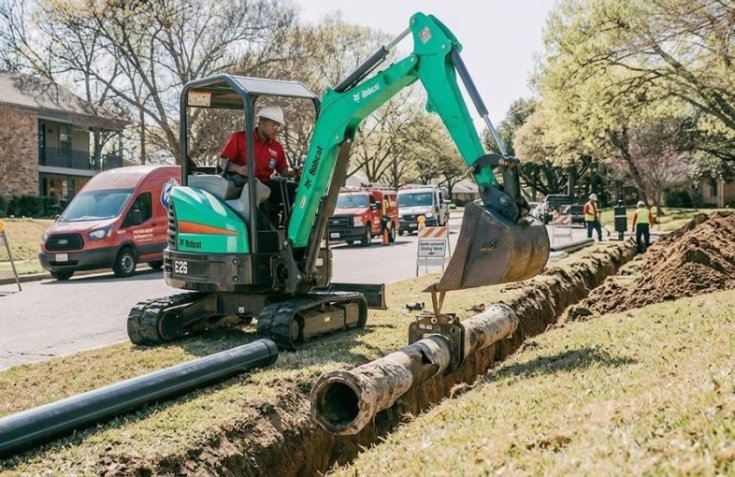
Underground pipes spend decades under pressure, shifting soil, root systems, and corrosive conditions that never…
Read More+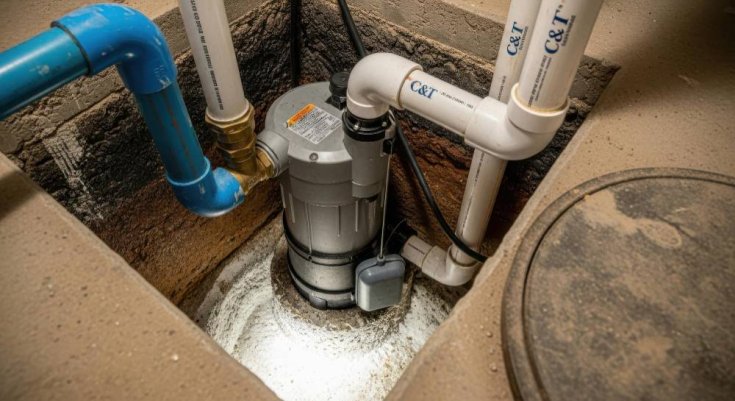
If your basement takes on water after heavy rain, it can quickly lead to mold,…
Read More+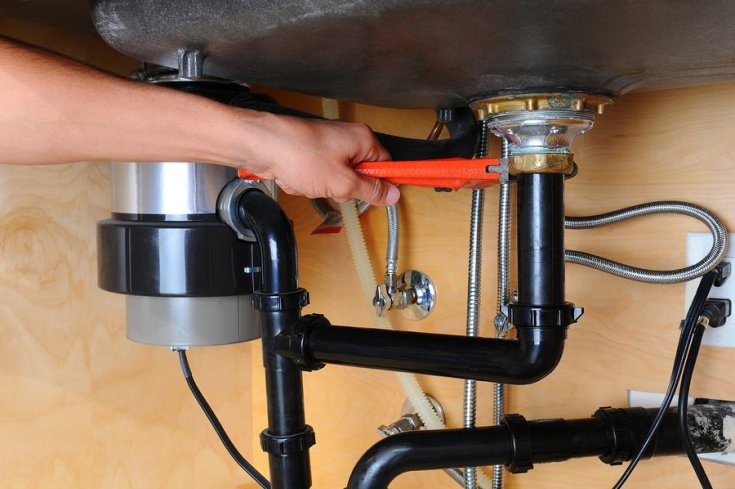
Kitchen cleanup moves faster when everything under the sink is working the way it should.…
Read More+
Pictures and descriptions only go so far, but real results from
Read More+