Menu
Call This Tuesday to Get $50 Off
Do You Need a Plumber in Dallas, TX? Call us Now to Get $50 OFF
4.8 / 5 Ratings based on 1384 reviews Great Plumbers, Great Reviews

Call This Tuesday to Get $50 Off


A yellow or brown ring on your ceiling is never just a cosmetic problem. Mr. Rooter Plumbing gets called out by homeowners who painted over a water stain only to watch it come back within weeks, because the source was never taken care of. What shows up on your ceiling is only part of the story, and figuring out where the water is coming from takes some investigation. Here is what ceiling water stains are really telling you and why tracking down the source matters more than covering it up.
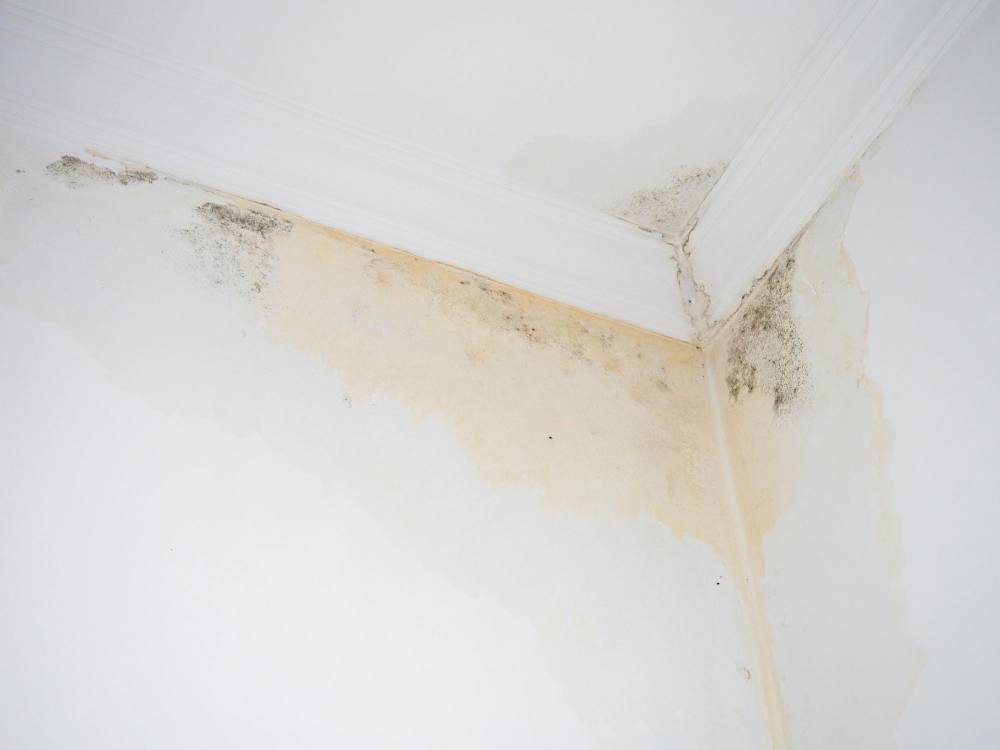
Not every ceiling stain comes from a pipe. Roof leaks, condensation from HVAC ducts, and ice dams in winter can all leave rings that look nearly identical to plumbing-related damage. The location of the stain is your first clue. A stain directly below a bathroom, kitchen, or laundry room on the floor above points strongly to a plumbing source. A stain near an exterior wall or directly below a roof penetration suggests the roof or flashing.
Pay attention to when the stain appears or worsens. A roof leak usually shows up or expands during or after rain. A plumbing leak tends to be more consistent or tied to water use in the unit above. If you run the upstairs shower and the stain grows darker within an hour, you have a strong indication of a plumbing problem.
Color and texture offer additional information. Older, dried stains are typically yellow or tan with a defined ring. Active leaks leave darker centers that may look damp to the touch. Peeling paint or a bubbled, sagging section of drywall indicates water has been pooling in that area for some time, and the material has started to break down.
Bathroom fixtures on an upper floor account for a large percentage of ceiling stains in two-story homes. Toilet wax rings fail and allow water to seep out at the base with every flush. Shower pan liners crack, and caulk around tub surrounds deteriorates. Supply lines to toilets and sink faucets can develop slow drips that go unnoticed for months.
Drain connections are another common culprit. The P-trap under a sink, the drain flange in a shower, and the overflow plate on a bathtub all rely on seals and fittings that wear out. A loose drain connection may only leak when water is actively running, which makes it harder to catch without a plumbing repair service inspection.
Water heaters located on upper floors or in elevated utility closets can also cause ceiling damage when the tank or the inlet and outlet connections begin to corrode. Supply lines behind refrigerators with ice makers, dishwasher drain hoses, and washing machine hoses round out the list. Any fixture or appliance connected to a water line is a potential source.
Modern leak detection does not require cutting open every wall or ceiling in the vicinity of a stain. A plumber uses a combination of visual inspection, moisture meters, and thermal imaging cameras to narrow the location of a leak before any demolition begins. Moisture meters measure water content in drywall and wood framing, which helps trace the path water traveled from the source to the visible stain.
Thermal imaging detects temperature differences in building materials caused by evaporating moisture. A wet section of drywall reads differently from a dry section, even when both look identical to the naked eye. This allows a plumber to map the affected area and identify where water entered the structure.
In cases where the source is suspected to be within a drain line, video inspection sends a small camera through the pipe to check for cracks, root intrusion, or failed joints. Pressure testing isolates sections of supply lines to confirm whether a drop in pressure indicates a breach. Accurate leak detection before repair prevents unnecessary damage to finishes and reduces the total cost of the job.
Drywall absorbs water quickly and begins to lose structural integrity within 24 to 48 hours of sustained exposure. The paper facing separates, the gypsum core softens, and the material can no longer support its own weight. A ceiling that has been wet for an extended period can bow, crack, or collapse under the right conditions.
Wood framing above the ceiling tells a similar story. Joists and blocking that stay wet begin to swell and warp. Prolonged moisture exposure leads to wood rot, which weakens the structural members that support the floor above. Replacing rotted joists is a lot more involved than replacing a section of drywall.
Mold growth typically begins within 24 to 72 hours on wet organic materials like drywall, paper, and wood. By the time a stain becomes visible on a painted ceiling surface, the materials above it have already been wet long enough for microbial growth to establish. A plumbing repair service call that fixes the source early limits how much structural and biological damage accumulates in the interim.
Fixing a ceiling stain is a two-stage job. The plumbing repair comes first, and the drywall and paint work follow only after the source has been confirmed as resolved and the affected materials have dried out. Skipping straight to cosmetic repair is exactly why stains return. A plumber takes care of the failed seal, cracked fitting, or corroded connection before anything else.
Once the leak is repaired, the wet drywall and compromised insulation above it need to be removed. Leaving wet materials in place traps moisture inside the ceiling cavity and creates conditions for continued mold growth even after the water source is gone. Drying time varies based on the extent of the damage, but contractors typically use air movers and dehumidifiers to accelerate the process before patching begins.
New drywall goes in after moisture readings confirm the framing is dry. A stain-blocking primer applied before the finish coat prevents any residual discoloration from bleeding through the new paint. When done in the right order, the repair holds, and the stain does not return.
If you have a water stain on your ceiling, contact Mr. Rooter Plumbing to schedule a leak detection inspection. Our plumbers locate the source accurately, complete the repair correctly, and give you a clear picture of what needs to happen next. We work around your schedule and treat your home with the same care we would want for our own.
A yellow or brown ring on your ceiling is never just a cosmetic problem. Mr.…
Read More+
Sewer line problems rarely stay contained to the pipe itself, and by the time most…
Read More+
Standing in the hardware store aisle looking for toilet repair kits…
Read More+
Most homeowners don't give their water heater a second thought until it stops working, and…
Read More+