Menu
Call This Monday to Get $50 Off
Do You Need a Plumber in Dallas, TX? Call us Now to Get $50 OFF
4.8 / 5 Ratings based on 1384 reviews Great Plumbers, Great Reviews

Call This Monday to Get $50 Off


Heavy rain can test a sump pump quickly. The question usually comes down to whether a standard system is enough or if a backup is worth the investment. Mr. Rooter Plumbing provides sump pump evaluations and installations for homeowners who want to protect their basements and crawl spaces from unexpected water damage. Understanding the differences between a standard unit and a battery backup system helps you choose the level of protection that fits your home. If you're weighing reliability, cost, and long-term risk, read more.
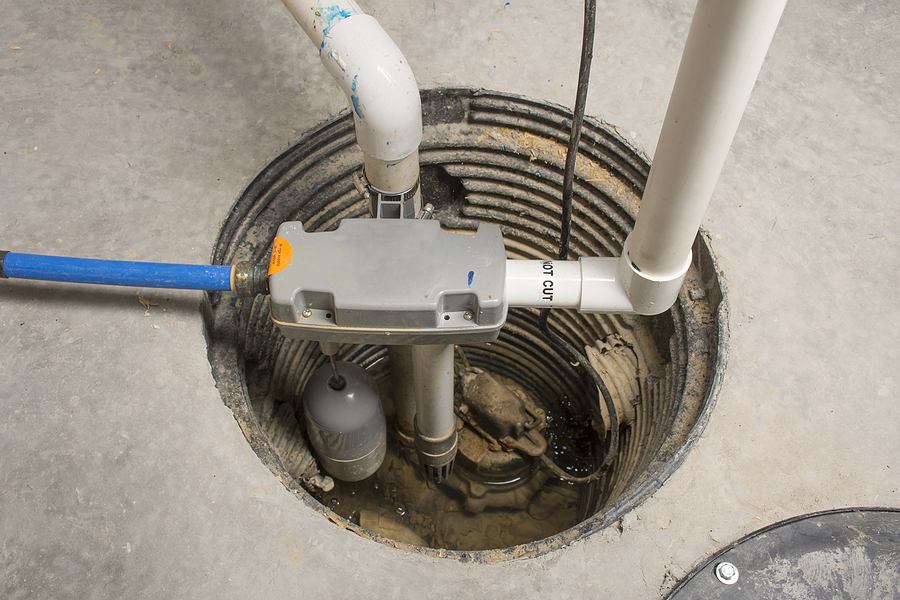
A standard sump pump sits in a pit below your basement floor and activates automatically when water rises to a set level. The pump moves water out through a discharge line that directs it away from your foundation. Most residential units run on a 120-volt household circuit and can move anywhere from 1,800 to 3,000 gallons per hour, depending on the model and horsepower rating.
During a typical rainstorm, a standard pump can take care of the job without much trouble. It cycles on and off as water collects, keeps the pit drained, and shuts down when levels drop. For homes in areas with moderate rainfall and reliable power, this setup works well for years with basic annual maintenance.
The problem is that North Texas storms don't always behave moderately. Fast-moving systems can dump several inches of rain in under an hour, and those same storms frequently knock out power. A standard pump that's connected only to your home's electrical panel stops working the moment the power cuts out.
Power outages and heavy rain usually arrive together. According to national utility data, severe weather causes more power interruptions than any other factor. In Dallas specifically, thunderstorms with high winds routinely trigger outages that last anywhere from one hour to several days.
When the power goes out, a standard sump pump goes silent, and water keeps rising in the pit. If the outage lasts long enough, water can breach the pit and move across your basement floor, into wall cavities, and under flooring materials. Mold growth can begin within 24 to 48 hours of water exposure, and structural damage to drywall, insulation, and wood framing adds up fast.
A plumber in Cedar Hill, TX can tell you exactly how long your specific pit normally takes to fill based on your soil type and water table. In some homes, the window is open for six hours. In others, it's under two. Knowing your number changes how seriously you weigh the risk of going without a backup.
A battery backup sump pump installs alongside your primary unit and activates automatically when the main pump loses power or fails to keep up with water volume. Most battery backup systems use a deep-cycle marine battery that provides four to twelve hours of pumping, depending on how hard the pump is working and the battery's age and condition.
Better units include a monitoring system that alerts you when the battery charge drops below an operational threshold. Some models connect to a home alarm system or send notifications to your phone. This matters because a battery you haven't tested in two years may not hold a charge.
A quality sump pump installation for a battery backup system involves mounting the backup pump above the primary unit in the same pit, wiring the float switch to activate only when the primary fails, and connecting the discharge line to the same exit point. A trained plumber makes sure the two units don't compete with each other during normal operation.
A combination system pairs a primary AC-powered pump with an integrated battery backup in a single housing. These units cost more upfront but simplify the installation and reduce the number of components that need independent maintenance. They're a practical choice for homes with a single pit and limited space. The case for a combination system gets stronger under the following conditions:
Scheduling a plumbing repair service before the next storm season gives you time to evaluate your current setup without pressure. A technician can test your pump's output, inspect the discharge line for blockages, and determine whether your pit size matches your water intrusion risk. Replacing an aging unit with a combination system during a planned visit costs less than emergency services after a flood.
Homeowners who upgrade to a combination system also report fewer maintenance headaches. There's one unit and one set of manufacturer guidelines. For the right home, the simplicity translates into lower long-term costs and fewer surprises.
The decision between a standard pump and a battery backup comes down to two variables. How much water your property moves during heavy rain, and how long your power realistically stays out during storms. If both numbers are low, a standard pump with annual service covers you. If either number climbs, a backup system pays for itself after a single flood.
Water damage claims average between $7,000 and $25,000, depending on the extent of the loss, and many homeowners' insurance policies exclude flood damage or impose sublimits on sump pump failures. Preventing water from entering in the first place costs a fraction of that, and a properly matched sump pump installation is the most direct way to do it.
If your current system is aging, untested, or undersized for your property, contact Mr. Rooter Plumbing to schedule an evaluation. Our team can provide everything from single-unit replacements to full combination system installs. Call today to schedule an appointment for your next installation or plumbing repair service.
Underground pipes spend decades under pressure, shifting soil, root systems, and corrosive conditions that never…
Read More+
If your basement takes on water after heavy rain, it can quickly lead to mold,…
Read More+
Kitchen cleanup moves faster when everything under the sink is working the way it should.…
Read More+
Pictures and descriptions only go so far, but real results from
Read More+